
Types of Gearboxes and Their Industrial Applications
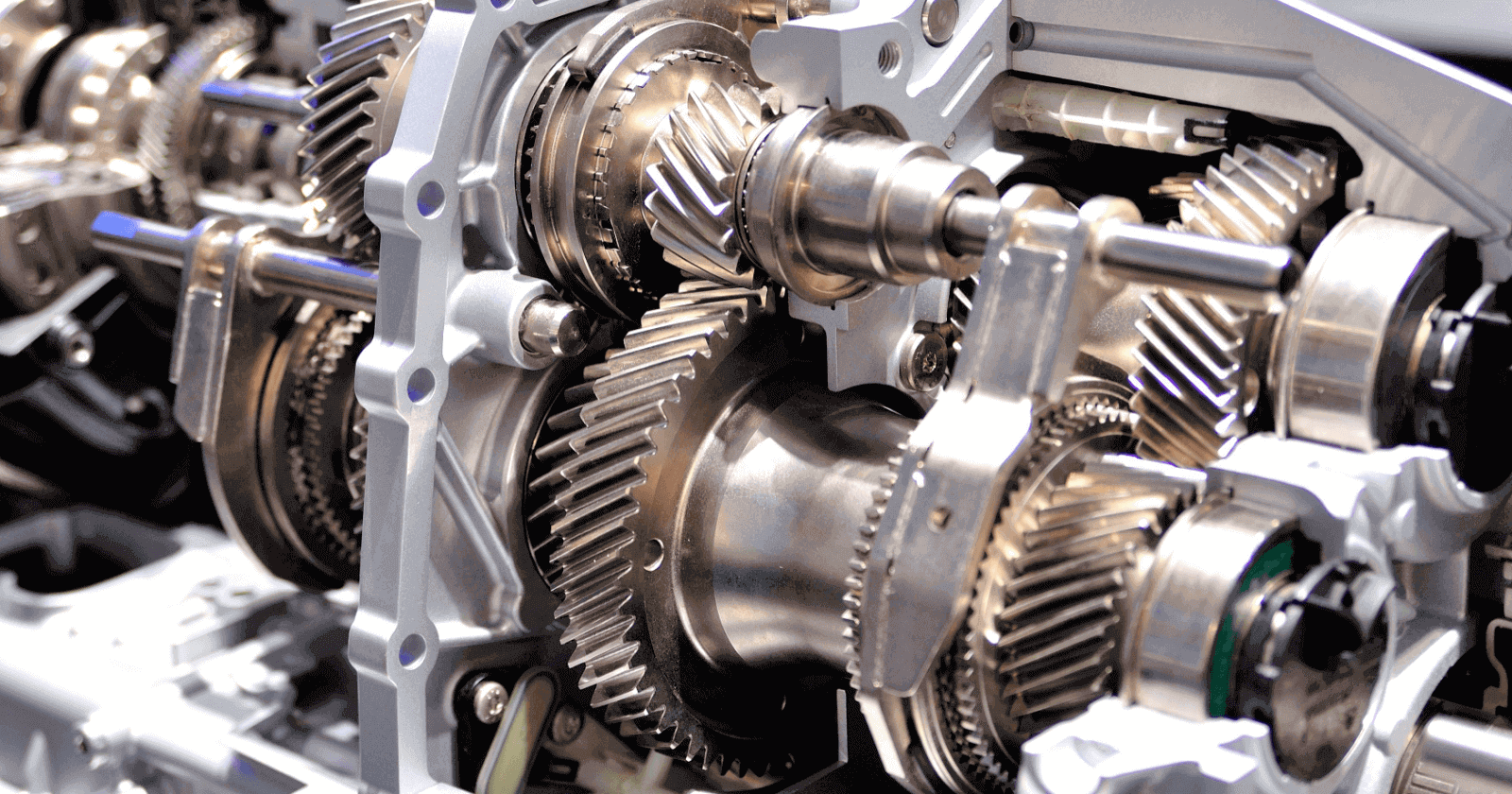
Gearboxes come in various types, each designed to meet specific operational requirements. Selecting the right type of gearbox is crucial for achieving optimal performance, efficiency, and durability.
One of the most commonly used types is the helical gearbox. It features angled teeth that engage gradually, resulting in smoother and quieter operation. Helical gearboxes are widely used in conveyors, crushers, and heavy-duty industrial equipment where noise reduction and efficiency are important.
Another popular type is the bevel gearbox, which is designed to transmit power between intersecting shafts, usually at a 90-degree angle. These gearboxes are commonly used in applications where the direction of power needs to be changed, such as in differential drives and right-angle machinery.
The worm gearbox is known for its ability to provide high torque output with low speed. It uses a worm (screw-like gear) that meshes with a worm wheel. One of its key advantages is its self-locking feature, which prevents back-driving. This makes it ideal for lifting equipment, elevators, and applications requiring high safety.
The planetary gearbox, also known as an epicyclic gearbox, is compact and highly efficient. It consists of a central sun gear, multiple planet gears, and an outer ring gear. This design distributes load evenly, allowing it to handle high torque in a small space. Planetary gearboxes are widely used in robotics, automation systems, and precision machinery.
Each type of gearbox offers unique benefits, and the choice depends on factors such as load capacity, speed requirements, space constraints, and operational environment. For instance, industries dealing with heavy loads may prefer worm or planetary gearboxes, while those requiring high-speed operations may opt for helical gearboxes.
Proper selection of a gearbox not only improves machine performance but also reduces maintenance costs and downtime. Engineers must consider efficiency, durability, and compatibility when choosing the right gearbox for their application.
In summary, understanding different types of gearboxes and their applications helps industries make informed decisions, ensuring reliable and efficient operations.
Hi, this is a comment.
To get started with moderating, editing, and deleting comments, please visit the Comments screen in the dashboard.
Commenter avatars come from Gravatar.