
Gearbox Maintenance Tips for Long-Term Performance
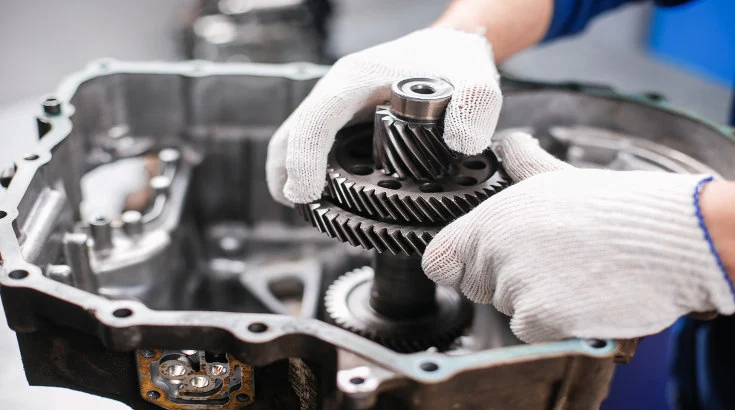
Maintaining a gearbox is essential to ensure its longevity, efficiency, and reliability. A well-maintained gearbox not only performs better but also reduces the risk of unexpected breakdowns and costly repairs.
One of the most important aspects of gearbox maintenance is proper lubrication. Lubricants reduce friction between moving parts, prevent overheating, and protect against wear and tear. It is crucial to use the correct type of oil recommended by the manufacturer and to check oil levels regularly. Contaminated or degraded oil should be replaced promptly.
Regular inspection is another key factor in maintaining gearbox health. Operators should monitor for unusual noises, vibrations, or temperature increases. These signs often indicate internal issues such as misalignment, worn gears, or bearing failures. Early detection can prevent minor problems from becoming major failures.
Cleaning the gearbox and its surrounding area is also important. Dust, dirt, and debris can enter the system and cause damage over time. Keeping the gearbox clean ensures better performance and reduces the risk of contamination.
Alignment plays a critical role in gearbox efficiency. Misalignment between the gearbox and connected components can lead to excessive stress, increased wear, and reduced lifespan. Periodic alignment checks help maintain smooth operation.
Another important maintenance practice is checking seals and gaskets. Damaged seals can cause oil leakage, leading to insufficient lubrication and potential damage to internal components. Replacing worn seals in time can prevent such issues.
It is also advisable to follow a scheduled maintenance plan. Routine servicing, including oil changes, inspections, and part replacements, ensures consistent performance. Keeping records of maintenance activities can help identify patterns and improve future maintenance strategies.
Modern gearboxes may also include monitoring systems that provide real-time data on performance parameters. These systems help in predictive maintenance, allowing operators to address issues before they lead to failure.
In conclusion, proper maintenance is the key to maximizing the lifespan and efficiency of a gearbox. By following best practices such as regular lubrication, inspection, cleaning, and alignment, industries can ensure smooth operations and minimize downtime.