
Common Gearbox Problems and How to Fix Them
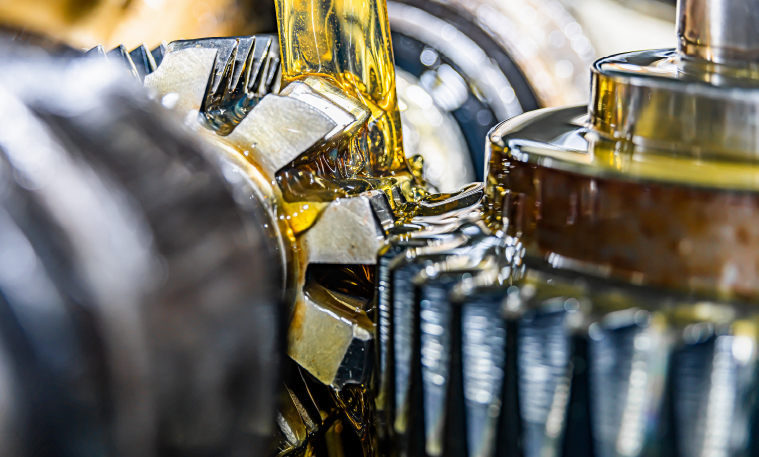
Gearboxes are designed to handle heavy loads and continuous operation, but like any mechanical component, they are prone to wear and tear over time. Understanding common gearbox problems and their solutions can help prevent costly breakdowns and improve overall efficiency.
One of the most frequent issues in gearboxes is overheating. This usually occurs due to inadequate lubrication, excessive load, or poor ventilation. When a gearbox overheats, it can lead to faster wear of internal components and reduced performance. To fix this issue, it is important to check the oil level, ensure proper lubrication, and verify that the gearbox is not operating beyond its capacity.
Another common problem is unusual noise during operation. Grinding, knocking, or whining sounds often indicate worn-out gears, misalignment, or damaged bearings. Ignoring these sounds can lead to severe damage over time. The best solution is to conduct a detailed inspection and replace any worn or damaged components immediately.
Oil leakage is also a major concern in gearboxes. Leaks typically occur due to damaged seals, loose fittings, or cracks in the housing. This not only reduces lubrication but also exposes the gearbox to contaminants. Fixing oil leaks involves replacing faulty seals, tightening connections, and ensuring that the gearbox casing is intact.
Vibration issues are another sign of potential gearbox problems. Excessive vibration can result from imbalance, misalignment, or internal damage. It can affect the performance of the entire machine and lead to faster component failure. Proper alignment, balancing, and regular inspection can help eliminate vibration-related issues.
Wear and tear of gears is inevitable over time, especially in high-load applications. Gear tooth damage, such as pitting or chipping, can significantly impact performance. Regular monitoring and timely replacement of worn gears can prevent further damage and maintain efficiency.
One often overlooked issue is contamination of lubricant. Dust, water, or metal particles can enter the gearbox and degrade the quality of the oil. Contaminated oil reduces lubrication efficiency and accelerates wear. Using high-quality seals and regularly changing the lubricant can help avoid this problem.
Preventive maintenance is the most effective way to avoid gearbox failures. Routine inspections, proper lubrication, and timely repairs can significantly extend the lifespan of the gearbox. Additionally, using high-quality components and following manufacturer guidelines ensures reliable performance.
In conclusion, while gearbox problems are common, they can be effectively managed with proper care and maintenance. Identifying issues early and taking corrective action not only prevents downtime but also enhances the overall efficiency of machinery.